One-to-one and small-group Italian lessons with a native teacher Get in touch

Blog

Italian for Beginners – Online Group Classes

Italian for Beginners – Online Group Classes

Join this fun and interactive online Italian class for complete beginners — a friendly, small-group course that gives you a flying start into the Italian language, taught live by Laura, a native Italian teacher from Sicily with over 20 years’ experience.

  • Level: complete beginners (A1)
  • Where: live online, so you can join from anywhere
  • Lessons: relaxed, practical and interactive
  • Teacher: fully qualified (QTS, PGCE and CELTA)
  • Group size: small and friendly

Sessions include a variety of activities with simple, clear steps. Learning in a small friendly group maximises interactivity while keeping a clear and concise method that speeds up your ability to speak. No previous Italian needed — all materials provided.

New learners are always welcome — register your interest in the next group, or find out more about online Italian lessons.
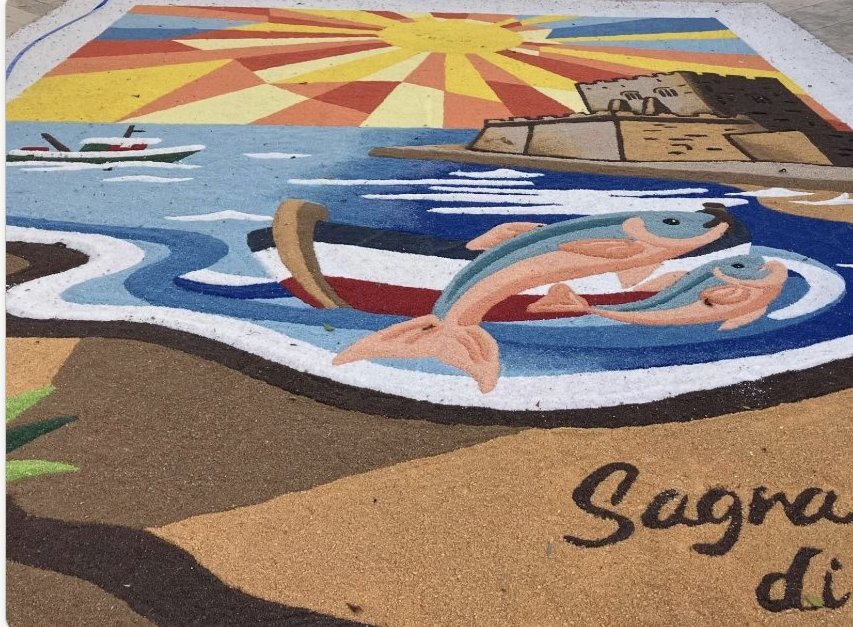
Colourful sand-art street mural for a Sicilian sagra: fishing boat, two fish and a coastal tower under a rising sun

Local Festivals and Popular Celebrations in Sicily: Giving Thanks for a Good Harvest and a Good Catch

Colourful sand-art street mural for a Sicilian sagra: fishing boat, two fish and a coastal tower under a rising sun

September in Sicily is a month of transition, caught between summer heat and the first breezes of autumn, and it’s exactly during this period that some of the island’s most heartfelt festivals take place, blending popular religious devotion with food festivals.

In Messina, September 8th marks the feast of the Madonna della Lettera, the city’s patron saint, featuring the traditional “Vara,” an enormous triumphal float pulled by hand through the streets of the city center amid singing and fireworks.

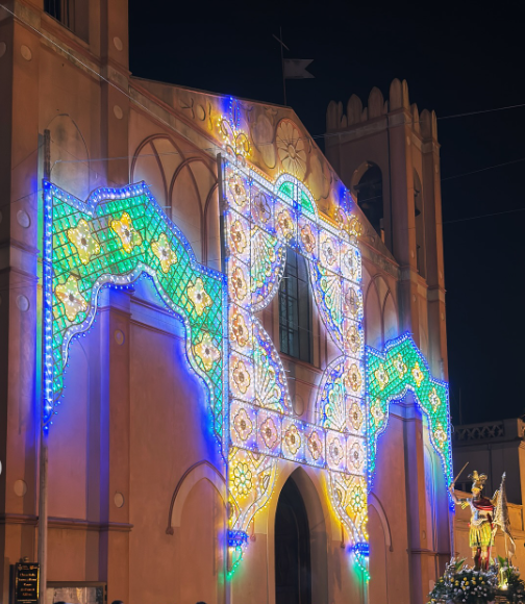
Also on September 8th, many Sicilian communities celebrate the Nativity of Mary, often tied to agrarian rites of thanksgiving for the harvest, with processions, marching bands, and illuminated decorations in inland towns. A parallel could be drawn with the Harvest Festivals celebrated in many English villages at the end of September, which often include a community lunch.

In Randazzo and various towns around Mount Etna, patron saint festivals are celebrated with the typical “‘ntinna” (a game similar to the one played in Latin-American Countries known as ‘piñata’) and stalls selling local products, while in the Madonie and Nebrodi mountains September is the month for porcini mushroom and chestnut festivals, marking the start of autumn with tastings, folk music, and artisan markets.

Then there’s the Bronte Pistachio Festival, one of Sicily’s most famous food and wine events, which in September draws thousands of visitors to the slopes of Etna to sample sweet and savory dishes made with the local “green gold.”

Finally, many coastal towns hold fishermen’s festivals, with processions of boats at sea, blessings, and fried fish offered to the community — a way of thanking the sea before the end of the summer fishing season.

Originally shared on LinkedIn.

Sagre e feste popolari in Sicilia: tra ringraziamenti per il buon raccolto e la buona pesca

Settembre in Sicilia è un mese di passaggio, tra caldo estivo e primi refoli d’autunno, e proprio in questo periodo si concentrano alcune delle feste più sentite dell’isola, dove religiosità popolare e sagre gastronomiche si intrecciano.

A Messina, l’8 settembre si celebra la Madonna della Lettera, patrona della città, con la tradizionale “Vara”, un enorme carro trionfale trainato a mano per le strade del centro tra canti e fuochi d’artificio.

Sempre l’8 settembre, molte comunità siciliane festeggiano la Natività di Maria, spesso legata a riti agresti di ringraziamento per il raccolto, con processioni, bande musicali e luminarie nei paesi dell’entroterra. Si potrebbe fare un parallelo con le Feste del Raccolto celebrate in molti paesini dell’Inghilterra a fine settembre, dove spesso so organizza un pranzo comunitario.

A Randazzo e in diversi centri dell’Etna si celebrano feste patronali con la tipica “‘ntinna” (albero della cuccagna, conosciuta in molti Paesi latinoamericani come ‘piñata) e bancarelle di prodotti tipici, mentre nelle Madonie e nei Nebrodi settembre è il mese delle sagre del fungo porcino e della castagna, che segnano l’inizio della stagione autunnale con degustazioni, musica popolare e mercatini artigianali.

Non manca la Sagra del pistacchio di Bronte, uno degli eventi enogastronomici più famosi della Sicilia, che a settembre porta migliaia di visitatori tra le pendici dell’Etna per assaggiare piatti dolci e salati a base dell'”oro verde” locale.

Infine, in molti paesi costieri si tengono le feste dei pescatori, con processioni di barche in mare, benedizioni e frittura di pesce offerta alla comunità, un modo per ringraziare il mare prima della fine della stagione della pesca estiva.

Un mosaico di fede, tradizione contadina e convivialità che racconta bene l’anima autentica della Sicilia interna e costiera.

Italian for Beginners – Interactive Online Classes

ONLINE CLASS

No previous Italian needed

Always wanted to learn Italian?

Join an interactive online class and learn the basics of the Italian language in a warm, friendly setting. Every session brings a variety of activities with simple, clear steps — a flying start into an exciting language-learning experience.

Small groups keep things interactive while a clear, concise method helps you speak with real confidence — enhancing and speeding up your progress week by week. Do get in touch to register your interest in the next group: laura@italianwithlaura.co.uk

Originally shared on LinkedIn.

August in Italy: from the frying pan to the Bonfire?

August in Italy: from the frying pan to the Bonfire?

Domenica di agosto, che caldo fa! La spiaggia è un girarrosto… (Sunday in August, it’s so hot! The beach is a rotisserie…) That’s how every conversation starts here in August — half complaint, half love letter to summer. The sand is basically a frying pan by ten in the morning, and everyone is already negotiating shade with a beach umbrella the size of a small tent.

By late morning, someone always suggests going on a countryside outing (fare una scampagnata), just to escape the crowds packed shoulder to shoulder on the shore. We pile into cars with too little air conditioning and drive inland, where the air smells like pine and dust instead of sunscreen.

Evenings are the real reward. As the heat finally loosens its grip, we take a little walk (fare due passi) along whichever street looks least crowded, mostly as an excuse to have a little chat (fare quattro chiacchiere) with neighbours we haven’t seen since June. Conversations drift from the price of tomatoes to who’s getting married in September, and nobody is in a hurry to end them.

Later, the real ritual begins: a stroll along the seafront (fare una passeggiata sul lungomare), gelato in hand, watching the sky turn the color of a peach. If we’re lucky, someone knows a spot where we can light a bonfire (fare il falò) right on the sand, and the night turns into a slow, smoky gathering with friends playing guitar around the bonfire. The night of Ferragosto (August 15th) is a holiday for everyone, so people end up staying up until very late in the night — one of those nights when the sky is already starting to lighten by the time you finally get home.

No summer evening is complete without a barbecue of meat or fish, if you are by the sea (fare una grigliata di carne o di pesce), the smell drifting everywhere until everyone has “accidentally” wandered over for a taste.

And then, on the night of 10th August, there’s San Lorenzo sotto le stelle (Saint Lawrence under the stars) — the night when shooting stars streak across the sky and everyone makes wishes they’ll pretend not to remember by morning.

The next afternoon, of course, comes l’abbiocco (that heavy, food-drowsy sleepiness), and there’s only one cure: fare una pennichella (take a little nap), preferably in a hammock, preferably for far too long.

Originally shared on LinkedIn.

Domenica di agosto, che caldo fa! La spiaggia è un girarrosto…

Domenica di agosto, che caldo fa! La spiaggia è un girarrosto…

In Italia iniziano così tutte le conversazioni ad agosto: metà lamentela, metà lettera d’amore all’estate. La sabbia è praticamente una padella già dalle dieci del mattino, e tutti stanno già negoziando un po’ d’ombra sotto un ombrellone grande quanto una piccola tenda.

Verso mezzogiorno, qualcuno propone sempre di fare una scampagnata, solo per sfuggire alla folla ammassata sulla riva. Ci stipiamo in macchine con poca aria condizionata e guidiamo verso l’entroterra, dove l’aria sa di pino e polvere invece che di crema solare.

Le serate sono la vera ricompensa. Quando il caldo finalmente allenta la presa, andiamo a fare due passi lungo la strada meno affollata, soprattutto per avere una scusa per fare quattro chiacchiere con i vicini che non vediamo da giugno. Le conversazioni scivolano dal prezzo dei pomodori a chi si sposa a settembre, e nessuno ha fretta di concluderle.

Più tardi inizia il vero rito: fare una passeggiata sul lungomare, gelato in mano, guardando il cielo diventare color pesca. Se siamo fortunati, qualcuno conosce un posto dove possiamo fare il falò proprio sulla sabbia, e la serata si trasforma in una lenta e fumosa rimpatriata con gli amici che cantano e suonano la chitarra attorno al falò. La Notte di Ferragosto (il 15 agosto) e’ vacanza per tutti e allora si finisce per fare notte fonda, una di quelle notti in cui il cielo comincia già a schiarirsi quando finalmente si torna a casa.

Nessuna sera d’estate è completa senza fare una grigliata di carne o di pesce, soprattutto se si è in riva al mare,  con l’odore che si spande dappertutto, finché tutti non sono “casualmente” passati di lì per assaggiare qualcosa.

E poi, la notte del 10 agosto c’è San Lorenzo sotto le stelle — la notte di in cui le stelle cadenti solcano il cielo e tutti esprimono desideri che fingeranno di non ricordare al mattino.

Il pomeriggio seguente, naturalmente, arriva l’abbiocco, e c’è un solo rimedio: fare una pennichella, preferibilmente in amaca, preferibilmente per fin troppo tempo.

The seven sisters of the Tyrrhenian Sea

The seven sisters of the Tyrrhenian Sea

In the Tyrrhenian Sea, near the coast of Sicily, there are seven very special islands. People call them “the seven sisters” because they are close to one another, but each island has a different character, just like sisters in a family.

The biggest sister is called Lipari. She is the most populated and the most visited. She has a lively harbor, an ancient castle, and streets full of shops and restaurants. Anyone arriving in the Aeolian Islands usually stops here first.

Then there’s Vulcano, the “peculiar” sister. Her name already says it all: on the island there is a volcano, and the smell of sulfur is often in the air. But tourists don’t mind, because they come specifically for the hot mud baths, famous for being good for the skin.

Salina is the sweetest sister, in every sense. She is green, peaceful, covered in vineyards. Here, Malvasia, a beloved sweet wine, is produced. And it was in Salina that the film “Il Postino” was shot, starring Massimo Troisi.

Stromboli, on the other hand, is the most dramatic sister. She has a volcano that never sleeps: it has been active for centuries. When night falls, its glowing explosions can be seen from the sea. That’s why Stromboli is also called “the lighthouse of the Mediterranean.”

Panarea is the elegant, fashionable sister. Small but refined, she attracts famous people and nightlife lovers every summer.

Finally, there are the two most reserved sisters: Filicudi and Alicudi. They are the smallest and wildest islands of the archipelago. There isn’t much nightlife here, no big hotels, and that’s exactly why they are perfect for those seeking silence, nature, and a bit of isolation from the world.

Together, these seven islands form a unique archipelago, declared a UNESCO World Heritage Site in 2000. Each sister has her own personality, but they all share the same crystal-clear sea and the same volcanic origin, which makes these places so fascinating and unlike anywhere else in Italy.

Originally shared on LinkedIn.

Le sette sorelle del Mar Tirreno

Le sette sorelle del Mar Tirreno

Nel mar Tirreno, vicino alla costa della Sicilia, ci sono sette isole molto speciali. Le persone le chiamano “le sette sorelle” perché sono vicine tra loro, ma ogni isola ha un carattere diverso, proprio come le sorelle in una famiglia.

La sorella più grande si chiama Lipari. È la più popolata e la più visitata. Ha un porto vivace, un castello antico e strade piene di negozi e ristoranti. Chi arriva alle Eolie di solito passa prima da qui.

Poi c’è Vulcano, la sorella “particolare”. Il suo nome dice già tutto: sull’isola c’è un vulcano, e nell’aria si sente spesso l’odore dello zolfo. Ma i turisti non se ne preoccupano, perché vengono apposta per i fanghi caldi, famosi per fare bene alla pelle.

Salina è la sorella più dolce, in tutti i sensi. È verde, tranquilla, coperta di vigne. Qui si produce la Malvasia, un vino dolce molto amato. Ed è proprio a Salina che è stato girato il film “Il Postino”, con Massimo Troisi.

Stromboli, invece, è la sorella più drammatica. Ha un vulcano che non dorme mai: è attivo da secoli. Quando cala la notte, dal mare si vedono le sue esplosioni luminose. Per questo Stromboli viene chiamata anche “il faro del Mediterraneo”.

Panarea è la sorella elegante e mondana. Piccola ma raffinata, attira ogni estate persone famose e amanti della vita notturna.

Infine ci sono le due sorelle più riservate: Filicudi e Alicudi. Sono le isole più piccole e più selvagge dell’arcipelago. Qui non c’è molta vita notturna, non ci sono grandi alberghi, e proprio per questo sono perfette per chi cerca silenzio, natura e un po’ di isolamento dal mondo.

Insieme, queste sette isole formano un arcipelago unico, dichiarato Patrimonio dell’Umanità dall’UNESCO nel 2000. Ogni sorella ha la sua personalità, ma tutte condividono lo stesso mare cristallino e la stessa origine vulcanica, che rende questi luoghi così affascinanti e diversi da qualsiasi altro posto in Italia.

How Long Does It Take to Learn Italian? An Honest Answer

How Long Does It Take to Learn Italian? An Honest Answer

It’s the question every new student asks, and most answers online are either salesmanship (“fluent in 30 days!”) or discouragement (“ten years minimum”). After twenty years of teaching, here’s my honest timeline for an English speaker learning Italian.

The realistic milestones

After 2–3 months (one lesson a week plus a little practice): you can introduce yourself, order food and drink properly, ask directions, shop, and survive politely in Italy. This is exactly what my small-group beginners’ course is built to deliver.

After 6–9 months: real conversations — slow, imperfect, but genuine. You understand the gist of what’s said to you and can talk about your life, plans and opinions. This is the stage most people underestimate how much they’ll enjoy.

After 1–2 years: comfort. You follow films with subtitles, read novels with a dictionary nearby, argue about food. Italians stop switching to English — the true international certificate of competence.

What actually speeds it up

  • Frequency beats duration. Fifteen minutes daily outperforms two hours on Sunday, every time.
  • Speaking from day one. Apps are lovely for vocabulary, but speaking is a muscle — it only grows under load.
  • A guide who corrects you early. Pronunciation and habits set like concrete; a native teacher keeps them straight while they’re still wet.
  • Something you love in Italian — cooking, opera, football, family history. Passion is the only fuel that doesn’t run out.

The part nobody says

Italian is one of the friendliest languages an English speaker can learn — phonetic spelling, familiar vocabulary, and native speakers who are delighted you’re trying. The distance from zero to “that was such fun” is much shorter than people fear.

Start with my free 30-second daily lessons, join the next beginners’ group (small, friendly and online), or go one-to-one. Say ciao — I’d love to hear where you want to get to.

GCSE Italian: How to Get a Grade 8 or 9 – a Teacher’s Honest Guide

GCSE Italian: How to Get a Grade 8 or 9 – a Teacher’s Honest Guide

Every year I take on GCSE students in the spring panic. Here’s what I wish they’d all known in September — the honest version, from a native speaker who has prepared students for GCSE and IB Italian for over twenty years.

The four papers reward different things

Listening and reading are trainable with volume: past papers, yes, but also real Italian in small doses — short videos, songs, simple articles. Ten minutes daily beats a weekly binge, because your ear needs frequency, not heroics.

Writing is where grades are quietly won. Examiners reward range: two tenses is a 5; confident past, present, future and a conditional with connectives is an 8. The trick is preparing flexible chunks you can redeploy on any topic — not memorising whole essays.

Speaking is the paper students fear most and the one that improves fastest with the right practice. Fluency isn’t speed; it’s not stopping. A student who says less, but keeps going with natural fillers (allora, cioè, insomma), scores better than one who reaches for perfection and freezes.

The three habits of grade-9 students

  • They speak every week with someone who corrects them kindly and precisely.
  • They collect phrases, not words. Vocabulary lists fade; sentences stick.
  • They start before the panic. An hour a week from autumn beats three hours a week after Easter.

Where a tutor changes the result

A native-speaker tutor fixes pronunciation before it fossilises, spots exactly which grammar is costing marks, and — frankly — makes the weekly speaking habit happen. I offer one-to-one GCSE and IB Italian tuition online (£30/hour) with exam technique built into every lesson.

Get in touch for a free chat about where your son or daughter is now and what’s realistic by exam day. In bocca al lupo!

Learning Italian After 60: Why It’s the Perfect Time to Start

Learning Italian After 60: Why It’s the Perfect Time to Start

Of all my students, some of the most successful are the ones who started after retirement. That surprises people — there’s a stubborn myth that languages are for the young. After more than twenty years of teaching Italian, I can tell you the opposite is often true.

Why later learners do so well

You have time to enjoy it. Language learning rewards little and often — twenty minutes a day beats two frantic hours on a Sunday. Retirement makes that rhythm easy.

You know why you’re learning. A teenager learns for an exam; you’re learning for the trattoria in Lucca, the in-laws in Palermo, or simply the pleasure of it. Motivation like that doesn’t fade in week three.

You bring a lifetime of language with you. If you half-remember school French or Latin, Italian will feel surprisingly familiar — the grammar rhymes, and thousands of words are cousins of English ones.

And yes – it’s good for the brain

Research consistently links language learning with better memory, attention and mental flexibility in later life. It’s one of the few brain workouts that’s also genuinely sociable: you learn by talking to people.

What it looks like in practice

My beginners’ groups are small, friendly and taken at a civilised pace — nobody is put on the spot, and laughing at our mistakes is half the method. Many of my retired students tell me the weekly lesson is the highlight of their week, and I don’t think they’re only being kind.

If you’d like to try it, my next online beginners’ group could be just the thing — register your interest and I’ll be in touch. You need nothing but a laptop and curiosity. Or start even smaller: I post a free 30-second Italian lesson every day.

Get in touch and tell me what you’d love to be able to say in Italian — that’s always the best place to start. Non è mai troppo tardi — it’s never too late.

Italian lessons near you:  Bath · Bedfordshire · Birmingham · Bristol · Cambridge · Cardiff · Cheltenham · Cirencester · Dursley · Edinburgh · Glasgow · Gloucester · Gloucestershire · Hertfordshire · Leeds · Leicester · Liverpool · London · Manchester · Newcastle · Nottingham · Oxford · Peterborough · Sheffield · Stroud · Swindon
Online lessons · Italian tutor · Conversation classes · Group Courses · Meet Laura   ⭐ Leave Laura a review