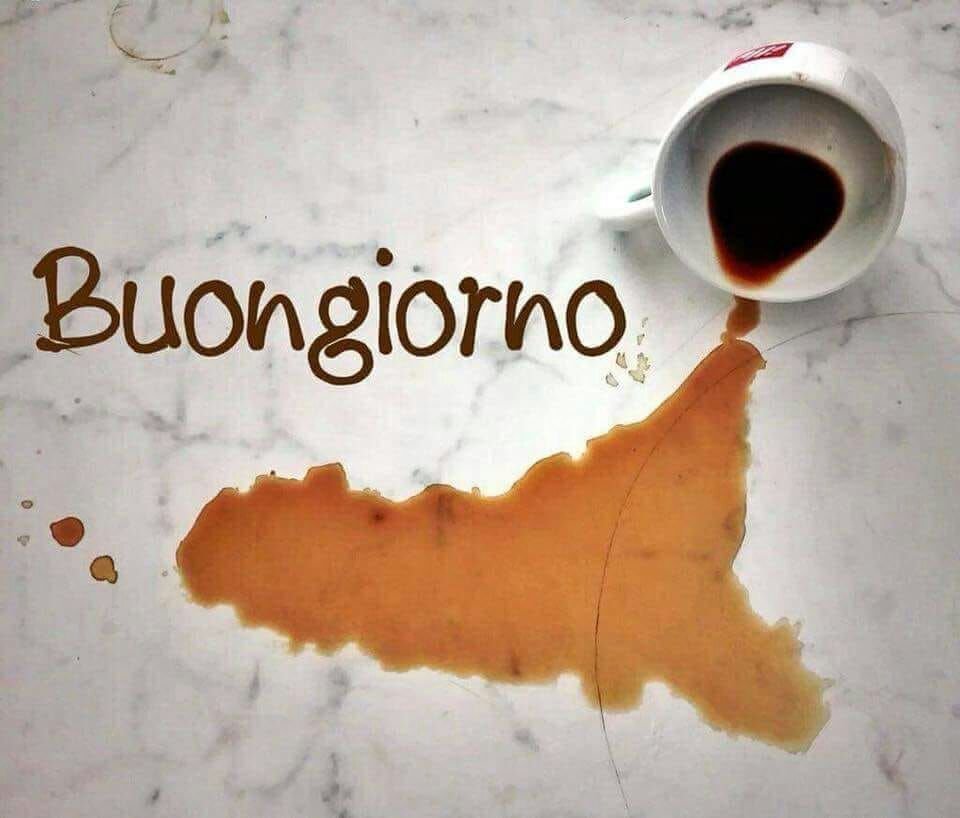
When people think of learning Italian, they picture holidays in Tuscany or the Amalfi Coast. But for tens of thousands of British families, Italian isn’t a foreign language at all — it’s the language of their own grandparents. Britain has real Italian communities, built by brickworkers, café owners, ice-cream makers and factory hands. Here’s where they are — and why it’s never too late to reclaim the language your family lost.
Bedford: the most Italian town in Britain
Bedford is home to the largest concentration of Italian families in the UK — around 14,000 people of Italian descent in a town of 100,000. Between 1951 and the early 1960s the London Brick Company recruited some 7,500 men from southern Italy — from Puglia, Campania, Calabria and Sicily — to work the Stewartby brickyards. Their families followed, and today roughly one in seven Bedfordians has Italian blood. Bedford even had its own Italian vice-consulate.
As a native Sicilian, I meet Bedford families all the time whose story is the same: nonna and nonno spoke Sicilian or Neapolitan at home, mum and dad understood it, and the grandchildren grew up with the food, the Sunday lunches and a handful of words — but never the language itself.
Peterborough: the other brickworks town
The same recruitment drive brought thousands of southern Italian workers to the Fletton brickyards around Peterborough, creating the UK’s second great post-war Italian community.
The Lea Valley: Sicilian growers of Hertfordshire
In Cheshunt, Waltham Cross and Hoddesdon, Sicilian families came to work the Lea Valley’s vast greenhouse nurseries, growing cucumbers, tomatoes and flowers. It remains one of the most strongly Sicilian corners of Britain.
South Wales: the Bracchi cafés
In the Valleys — Merthyr Tydfil, Aberdare, the Rhondda — and down to Cardiff and Swansea, Italian families mostly from Bardi in Emilia opened the famous “Bracchi” cafés that fed generations of miners. Many are still run by the same families today.
Scotland: ice cream and fish suppers
Glasgow, Edinburgh and the Ayrshire coast are home to the Italo-Scots — families from Barga in Tuscany and Picinisco in Lazio whose ice-cream parlours and chip shops became Scottish institutions. Barga is still nicknamed “the most Scottish town in Italy”.
Manchester, London — and the factory towns
Manchester’s Ancoats was once known as Little Italy, its Italian community dominating the city’s ice-cream trade. London’s original Little Italy grew up in Clerkenwell, where the Italian church of St Peter’s still holds its annual procession.
And then there are the smaller pockets most people have never heard of. In Gloucestershire, the town of Dursley gained a sizeable Italian community when workers came to the Lister factories after the war. Steel brought Italians to Scunthorpe; other Midlands factory towns have similar stories, often begun by prisoners of war who chose to stay and build a life here.
Did your family lose the language?
If any of these places sound like home, you may be one of the many second- and third-generation Italians who understand fragments — who know what mangia! means, who heard a dialect across the kitchen table — but never learnt to speak. I hear the same sentence again and again: “I wish I’d learnt when nonna was alive.”
Here’s the good news: it’s not too late, and you have a head start. The rhythm of the language is already in your ear.
Start reclaiming it
I’m Laura — a native Sicilian and fully qualified languages teacher with over 20 years’ experience. If you’d like to bring Italian back into your family:
- Free 30-second mini-lessons — I post one every day.
- My online beginners’ groups are small and friendly — register your interest for the next one. Absolute beginners very welcome.
- One-to-one online lessons (£30/hour), wherever you are in the UK — Bedford to Glasgow.
Get in touch and tell me your family’s story — I’d genuinely love to hear it. Ci vediamo presto!